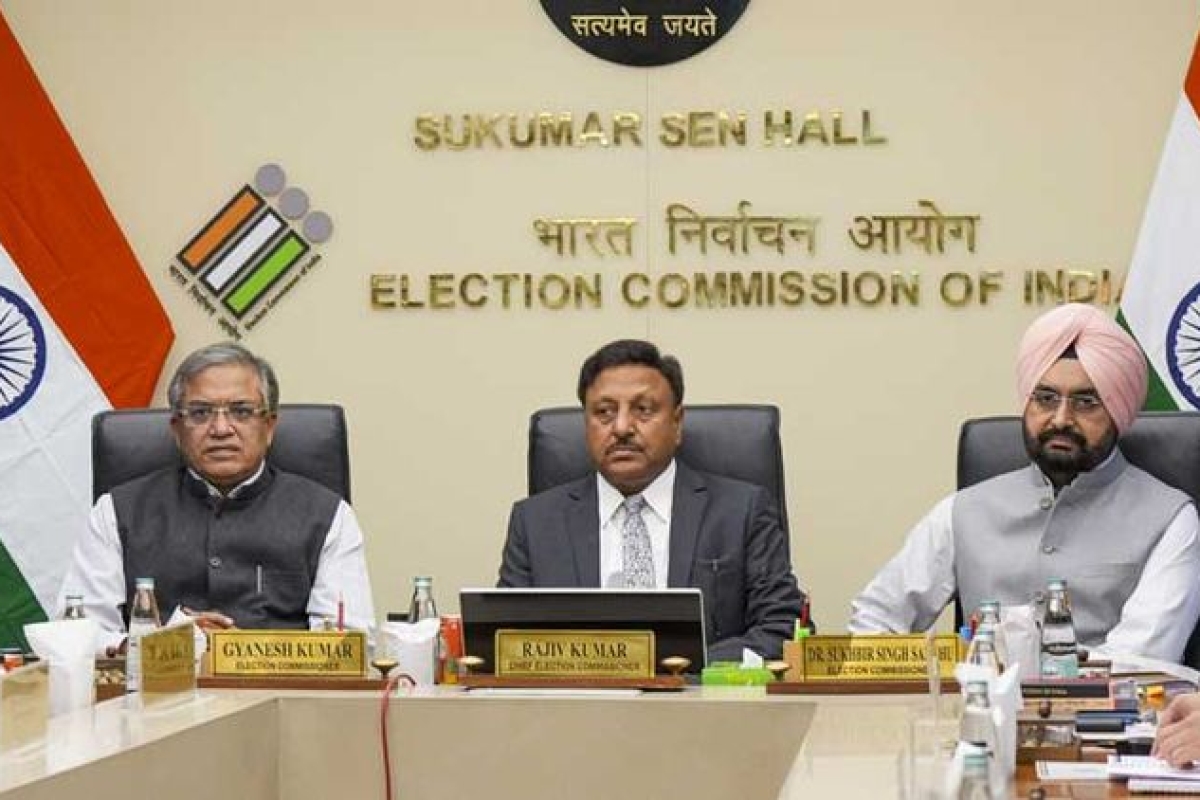
The Election Commission of India (ECI) is facing serious scrutiny over its ongoing Special Intensive Revision (SIR) of the Bihar electoral roll, especially after a Supreme Court affidavit revealed that the EC initiated the process without essential data, later altering procedures midway in response to backlash and logistical issues.
What Was the Plan?
The EC launched the revision to tackle voter migration, urbanisation, and illegal immigrants, requiring every voter to prove Indian citizenship to stay on the list. Those listed in the 2003 roll were presumed citizens, if they could produce documentation from that time.
By EC’s own estimate, 2.93 crore voters would need to submit proof of citizenship — a daunting task with Assembly elections approaching soon.
No Preparation, No Data
The EC’s July 21 affidavit to the Supreme Court reveals:
This confirms the Commission did not plan the exercise based on any pre-existing documentation access data.
What Do the Numbers Say?
As of July 24:
Even voters who were found must now prove their citizenship from August 1 onward.
Changing the Rules Midway
Initially, voters were told to submit documents with their forms during door-to-door verification. But by July 6, the EC’s advertisements said only the form submission was necessary — documents could be submitted later.
Though the EC insisted there was "no change," its July 21 affidavit confirms the change: voters can now submit forms with or without documents, which can be added during the claims and objections period (August 1 to September 1).
This procedural climbdown was not clarified in earlier instructions, causing confusion on the ground.
New Justification, Post Backlash
When announced in June, the EC cited reasons like:
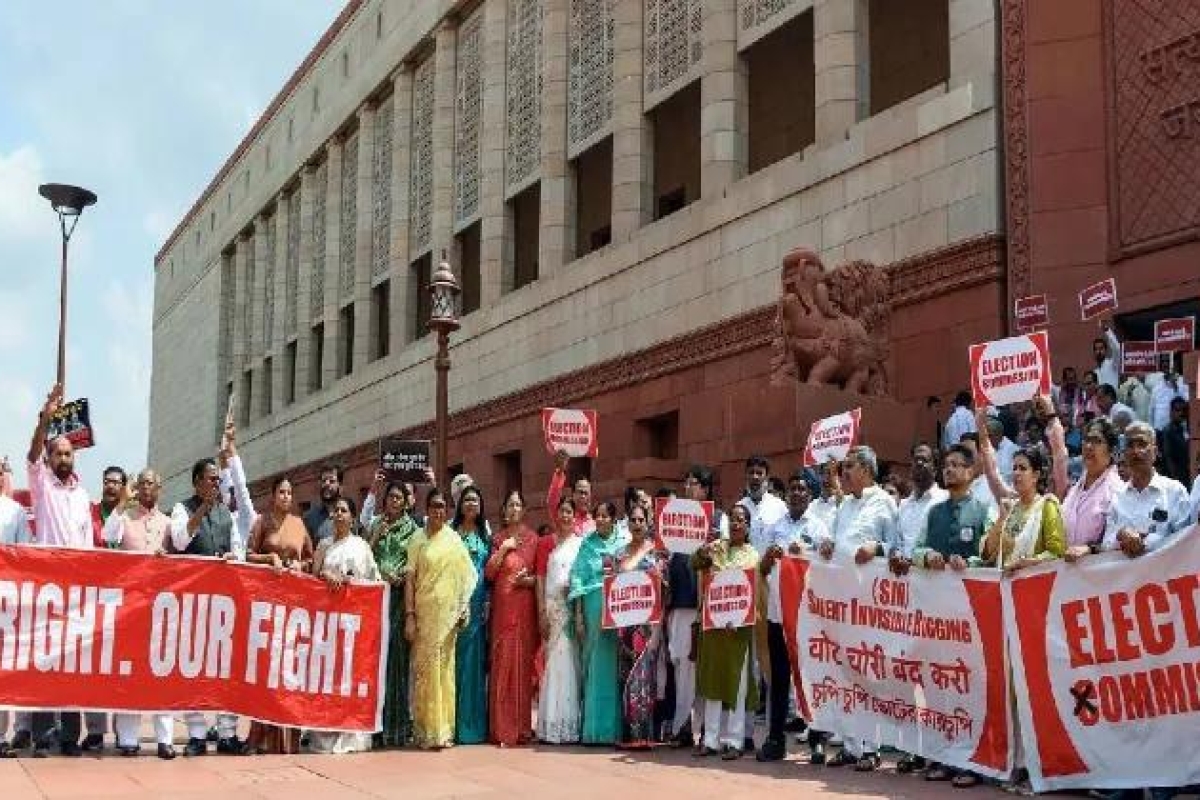
But after strong criticism from Opposition parties like Congress and RJD, who feared mass disenfranchisement, the EC added a new reason in its affidavit:
“Political parties across the spectrum raised concerns over inaccuracies in the voter list... To restore public confidence, the SIR was initiated.”
This new rationale was not part of EC’s original announcement.
Questionable Claims and Data
To defend the exercise, the EC cited document availability:
Critics argue that most voters don’t have access to valid proof of citizenship, and these inflated figures don't reflect reality on the ground.
Conclusion
The Bihar voter list revision has become a case study in poor planning, lack of transparency, and mid-course corrections under pressure. The EC’s actions, as revealed in its own affidavit, raise concerns about voter rights, bureaucratic preparedness, and political neutrality ahead of crucial elections. The Supreme Court hearing on July 28 is expected to bring further clarity — and possibly, accountability.