
“Fatty liver can be reversed. Four simple changes in your diet and lifestyle can make all the difference,” says Dr. Wendi LeBrett, a Stanford-trained gastroenterologist who regularly educates her social media followers on liver and gut health.
What Is Fatty Liver?
Fatty liver disease, medically known as hepatic steatosis, occurs when fat builds up in liver cells. A healthy liver contains around 5% fat or less, but if this percentage rises, it can disrupt liver function and lead to inflammation, scarring (fibrosis), and in some cases, cirrhosis.
According to Dr. Lorance Peter, Director of Gastroenterology at Sakra World Hospital, Bengaluru:
“Fatty liver can be detected on ultrasound — it appears larger and brighter. Many patients have no symptoms, but some might feel heaviness or discomfort on the right side of the abdomen after meals.”
There are two types of fatty liver disease:
NAFLD has recently been renamed MASLD (Metabolic Dysfunction-Associated Steatosis Liver Disease) to better reflect its root cause.
Can Fatty Liver Be Reversed?
Yes, and the key is early intervention. Dr. LeBrett emphasizes that fatty liver is reversible, especially if caught in early stages — before it progresses to fibrosis or cirrhosis.
On her Instagram, she breaks down four science-backed lifestyle changes that can dramatically improve liver health:
1. Stop Drinking Alcohol Completely
Even small, occasional amounts of alcohol can worsen liver damage.
“You have to stop drinking alcohol — even if it’s just one or two drinks a week,” says Dr. LeBrett.
Why it matters:
Alcohol is a major contributor to fatty liver. Quitting alcohol allows the liver to repair itself over time.
2. Lose Weight (If Overweight or Obese)
Weight loss is directly linked to liver fat reduction.
“Weight loss has been shown to improve fatty liver — even a 5–10% reduction in body weight can have significant benefits,” she explains.
How it helps:
Losing fat from the abdomen and visceral areas reduces metabolic stress on the liver.
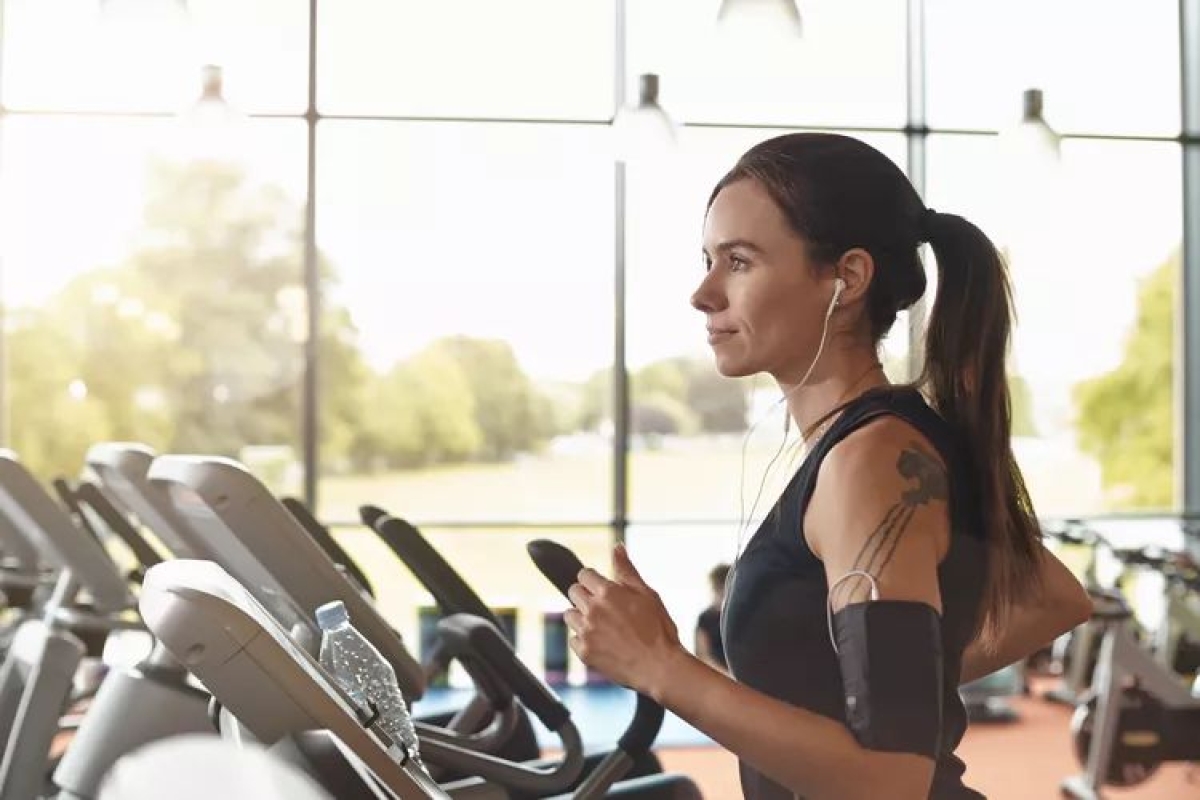
3. Exercise — Even Without Losing Weight
Yes, exercise alone can benefit your liver even if the scale doesn’t change.
“Exercise improves fatty liver independent of weight loss,” Dr. LeBrett stresses.
Tip:
Aim for at least 150 minutes of moderate-intensity exercise per week — brisk walking, cycling, swimming, or yoga.
4. Drink Coffee (Yes, Really!)
Both regular and decaf coffee have been shown to protect the liver.
“Coffee can prevent fatty liver from progressing to fibrosis,” says Dr. LeBrett.
What to know:
Coffee contains antioxidants and anti-inflammatory compounds that may protect liver cells.
Expert Insight: What’s Happening in the Liver?
Dr. Lorance Peter explains:
“In fatty liver, the liver cells store excessive fat, which interferes with their normal functions — such as detoxifying blood, metabolizing nutrients, and regulating glucose.”
This fat buildup is often asymptomatic, making it a “silent” condition until damage is more advanced.
How to Know if You Have Fatty Liver?
Bottom Line: You Can Take Control Today
“Fatty liver is often reversible — don’t wait for symptoms. Start with these 4 small steps: cut alcohol, lose weight, move more, and drink coffee,” says Dr. LeBrett.
With lifestyle changes, your liver can heal itself — no expensive treatments, no medications required at early stages.
Healthy Liver, Healthy Life!