Bengaluru, September 24, 2026: Karnataka is set to launch a food-safety awareness and training programme for street-food vendors and food handlers, with the state government focusing on hygiene, safe food preparation and responsible use of cooking oil.
Health and Family Welfare Minister U T Khader announced the initiative during an interactive food-safety session organised by the Bangalore Chamber of Industry and Commerce in Bengaluru. The programme is expected to combine education and awareness with stronger inspections and enforcement.
Street food is an important part of Karnataka's urban food culture, particularly in Bengaluru, where thousands of vendors serve meals, snacks and beverages every day. The new initiative aims to help vendors understand practical food-safety requirements while improving awareness among people involved in preparing and serving food.
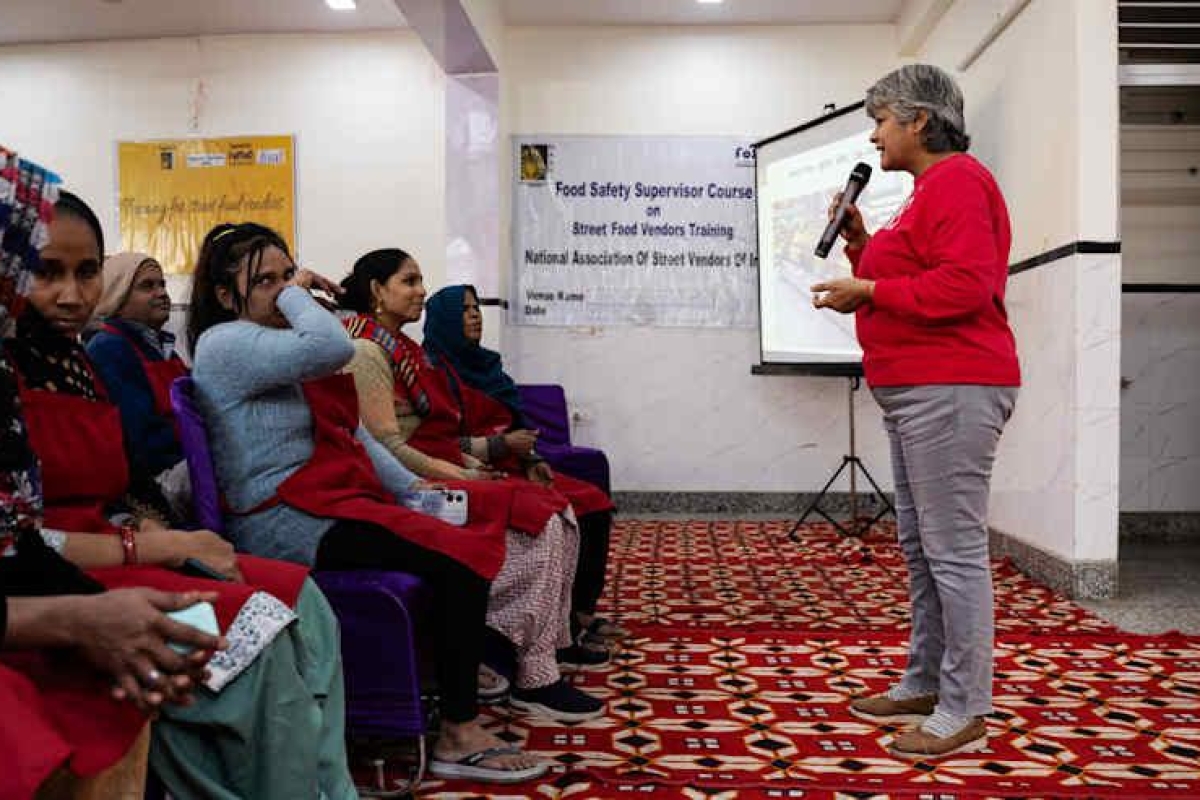
According to the Health Minister, the training will cover cleanliness, safe handling of ingredients, hygiene during food preparation and serving, and appropriate use of cooking oil.
The programme comes as food-safety authorities increasingly focus on prevention alongside enforcement. Training vendors can help address problems before they become public-health incidents by giving food handlers clearer guidance on safe storage, preparation and serving practices.
A major component of the programme will be educating street vendors and food handlers. The government has indicated that awareness efforts will be accompanied by inspections to monitor compliance with food-safety requirements.
For vendors, practical knowledge can be particularly important because many operate in busy public spaces where access to clean water, waste-disposal facilities and appropriate food-storage equipment can vary.
The initiative is therefore expected to place emphasis not only on the food itself but also on the conditions in which it is prepared and served.
The responsible use of cooking oil is another area highlighted by the state government. Repeated or inappropriate reuse of cooking oil can become a food-safety concern, making awareness among commercial food handlers an important part of the programme.
Karnataka is also exploring collaboration with biodiesel companies for the collection of used cooking oil, according to the New Indian Express report on the initiative.
Such collection systems can provide a more organised method for disposing of used cooking oil instead of allowing it to be repeatedly reused or improperly discarded.
The state has indicated that more than 1,000 people are expected to receive training under the food-safety awareness effort. The programme is part of a broader approach combining public education with regulatory inspections.
The initiative also has relevance beyond street vendors. Consumers regularly purchase prepared food from roadside stalls, small eateries and mobile food outlets, making food hygiene an issue that affects a large section of the urban population.
Foodborne illnesses can place additional pressure on families and healthcare services, particularly when unsafe preparation or storage results in contamination. Awareness programmes can help food handlers understand basic preventive measures, while inspections provide authorities with a mechanism to identify violations.
The Karnataka government's latest initiative places the emphasis on education, hygiene and responsible food handling, while maintaining inspections and enforcement as part of the regulatory process.
For Bengaluru and other urban centres in Karnataka, the programme could provide a structured framework for improving food-safety practices among street vendors while supporting safer food choices for consumers.